Expert voices

Expert voices

Expert voices

In-depth analysis by experts on current scientific issues. In general, they are not as quick as the reactions.

When words also protect: the role of the media in combating gender-based violence

The power of communication to represent violence against women has been on the table for scientific and social debate for more than two decades. However, after 25 years of manuals on how to address gender-based violence in journalism, inadequate coverage persists, still romanticising it or simplifying its approach as emotional violence.

1

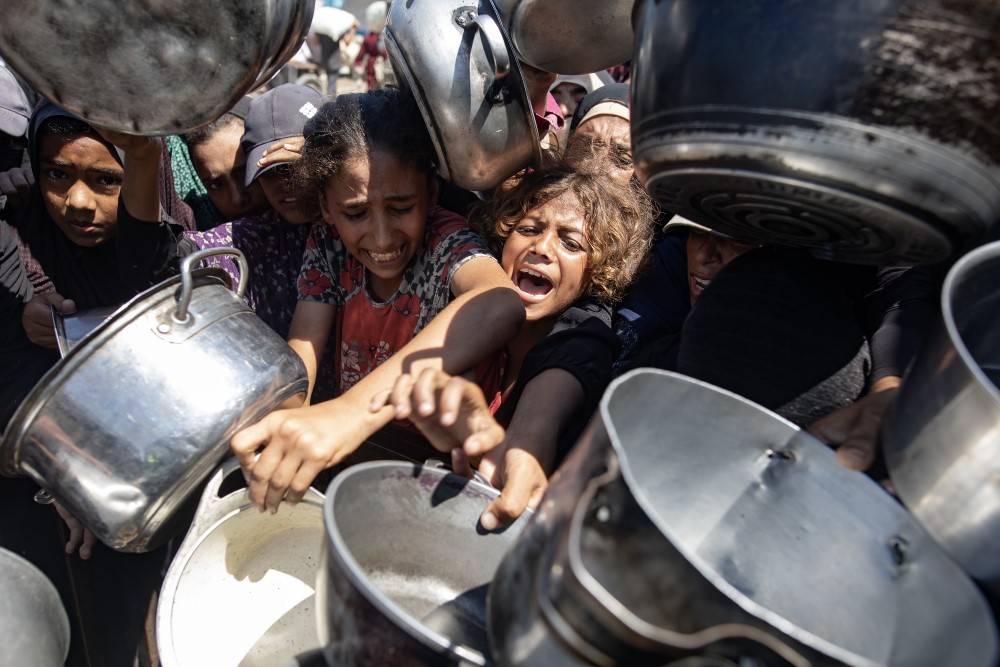
The declaration of famine in Gaza: what it means and where we stand now

On 22 August, the UN officially declared famine in Gaza, defined as an extreme situation of food insecurity in which there is insufficient access to food to survive, leading to high rates of malnutrition, disease and mortality. The Spanish Society of Epidemiology explains how this situation is technically assessed, as well as the implications of the declaration.

1

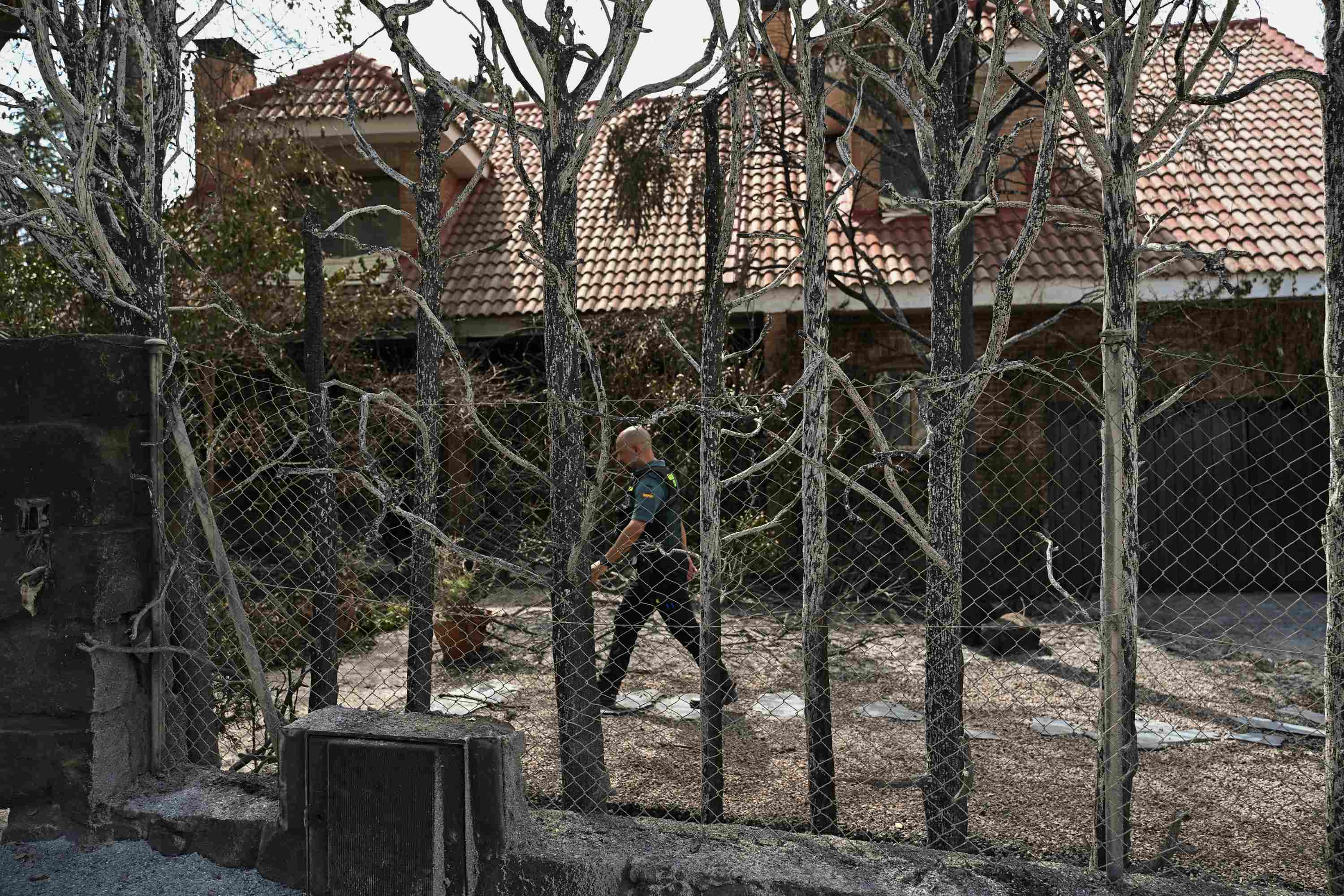
How to live with fire: eight key messages for wildfire management

Extreme wildfires are becoming more frequent and causing greater environmental and social impact. Current policies that prioritise fire suppression have not only failed to prevent this situation from arising, but  actually made it worse. The report Changing Wildfires - Policy Options for a Fire-literate and Fire-adapted Europe,  released by the European Academies' Science Advisory Council (EASAC), addresses this issue by outlining eight policy options. The report's key recommendations focus on  putting landscape management first —by regulating biomass structure and land use — and empowering local communities.

1

Let's protect diverse science

Trump's measures are directly affecting trans and non-binary people in science. This uncomfortable mirror is not unique to the United States. International studies have documented how the LGTBIQA+ community in science experiences less safe working environments, greater discrimination and more frequent abandonment of academic careers. Better science will only be possible if it protects and celebrates all the people who make it possible.

1

Are extreme weather events the only threat from climate change?

Despite the overwhelming evidence, climate change denialist messages have found a loudspeaker in certain social networks. Of importance in this disinformation strategy is the attempt to discredit the scientific community in general, and climate researchers and weather forecasters in particular. However, the study of climate and the prediction and monitoring of adverse weather phenomena is in the interest of society as a whole.

1

The resilience of global science in the face of political pressures

The budget cuts affecting scientific activity in countries such as the United States and the fragility of centralised systems make decentralised and collaborative models a necessity. Science, intrinsically global, requires structures that can withstand local pressures. In this situation, Europe has the opportunity - and the duty - to lead a new paradigm where data is free, secure and accessible.

1

Paediatric HIV, a major challenge on World AIDS Day

In the context of World AIDS Day, which is celebrated on 1 December, it is essential to reflect on one of the most urgent challenges in the fight against this disease: HIV in the paediatric population. A project led by the Complutense University of Madrid seeks to reduce paediatric mortality by training research leaders in sub-Saharan Africa and applying technology and innovation.

1

From COP29 to the Heidelberg Accord: the role of research funders in the fight against climate change

Funding has been one of the major obstacles to agreement at the Baku Climate Summit. More sustainable science also depends on how research is funded. It is imperative that research institutions also develop strategies to incorporate more sustainable practices and contribute to climate neutrality.

1

The cascading effects of the Valencia floods: how public health faces the challenges of the disaster

Most disasters do not occur in isolation, often triggering new challenges before the community has been able to recover. Floods in Valencia pose risks of infections and intoxications, challenges to mental health and to the supply of drugs and food, which affect the vulnerable population the most and must be addressed in a coordinated manner. In the face of such events, the overall strengthening of a country's healthcare system is critical.

1

Disasters, nature and responsibility: rethinking journalistic language in the aftermath of the Valencia floods

The devastating floods in Valencia have reminded us of the crucial role of language in journalism: in the maelstrom of information following the catastrophe, numerous articles have resorted to the expression “natural disaster”, as if the tragedy were a sort of inescapable sentence dictated by nature. The idea that nature acts with intent or malice in causing suffering is a concept that distorts our understanding of these events.

1